Newsletter Subscribe
Enter your email address below and subscribe to our newsletter

 ByJohn A
Digital wallets centralize credentials, keys, and metadata to enable authenticated transactions across devices and services. They rely on tokenization, encryption, and hardware-backed secure elements to protect payment data from end to end. The checkout flow remains seamless yet opaque to the user, while revocation and cross-device risk checks maintain control. The discussion will explore compatibility, privacy implications, and practical setup considerations that determine how securely a wallet can operate in real life.
A digital wallet is a software-based system that stores user credentials and payment information securely for convenient online and in-person transactions. It centrally aggregates cryptographic keys, device identifiers, and account metadata to enable authentication and authorization across services. Data ownership clarifies control rights; cross platform interoperability ensures seamless use across ecosystems while preserving secure boundaries and auditable activity trails for user-empowered decision making.
Payment credentials in digital wallets are protected through a layered security model that combines tokenization, encryption, and hardware-backed secure elements. The approach isolates data from merchant systems, replacing real values with tokens while ensuring end-to-end confidentiality. Tokenization privacy safeguards user identity; encryption protects data at rest and in transit. Credential management centralizes authorization, revocation, and key lifecycle across devices for resilient access.
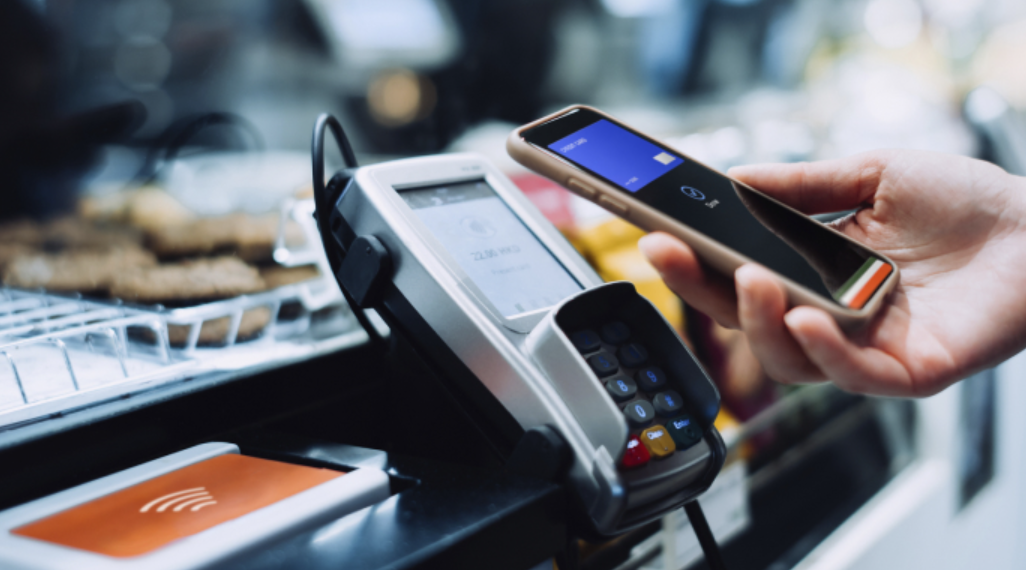
In the checkout flow, the actual authorization sequence unfolds invisibly between the device and the payment network, governed by tokenized credentials, cryptographic proofs, and policy-based decisioning. Tap to pay insights illuminate risk checks, while secure interchanges validate eligibility and nonce freshness. Approval journey details remain abstracted to the user, ensuring frictionless, auditable authentication within a permissioned ecosystem.
Choosing the Right Wallet: Privacy, Compatibility, and Practical Setup requires a concise evaluation of data handling, device integration, and user onboarding. The analysis emphasizes minimal exposure surfaces, standardized interfaces, and robust authentication. Privacy practices govern data minimization and disclosures, while compatibility ensures cross‑platform interoperability. Practical setup highlights streamlined enrollment, clear permissions, and verifiable security checks, enabling informed, freedom‑driven decisions without unnecessary complexity or risk to users during onboarding.
Digital wallets streamline online shopping with rapid authentication and robust tokenization, while in-person shopping benefits from contactless payments and offline security layers; both contexts emphasize privacy, reduced fraud exposure, and user freedom to control payment data.
Cross-platform compatibility enables wallets to operate across devices, and multi-device syncing maintains consistent data. In practice, seamless cross platform compatibility and multi device syncing depend on secure session tokens, robust encryption, and synchronized HEA updates for freedom-minded users.
Hidden fees and subscription charges may arise from wallet providers, including maintenance, transfer limits, and premium features. The system enforces security measures that can incur costs for identity verification, fraud protection, and network congestion, impacting user autonomy and total cost.
Coincidence marks the moment: data privacy governs usage beyond payment processing, as user data may be analyzed, aggregated, and shared. The system emphasizes consent, minimization, and robust controls, preventing excessive data sharing while preserving user freedom and security.
In event of a lost phone or stolen device, the wallet security protocol triggers remote lock, credential deactivation, and immediate transaction suspensions; biometric or passcode validation prevents unauthorized access, while recovery options prioritize user autonomy and data minimization.
In sum, digital wallets quietly strengthen financial posture by substituting sensitive data with safer stand-ins and layered protections. Tokenization, encryption, and secure elements form a resilient trifecta, reducing exposure without impeding usability. The checkout experience remains seamless yet guarded, as approval signals traverse protected channels. With thoughtful credential management and cross-platform compatibility, users enjoy convenience and auditability alike, while institutions benefit from centralized governance. The result is a well-orchestrated balance between accessibility and risk awareness.