
Newsletter Subscribe
Enter your email address below and subscribe to our newsletter

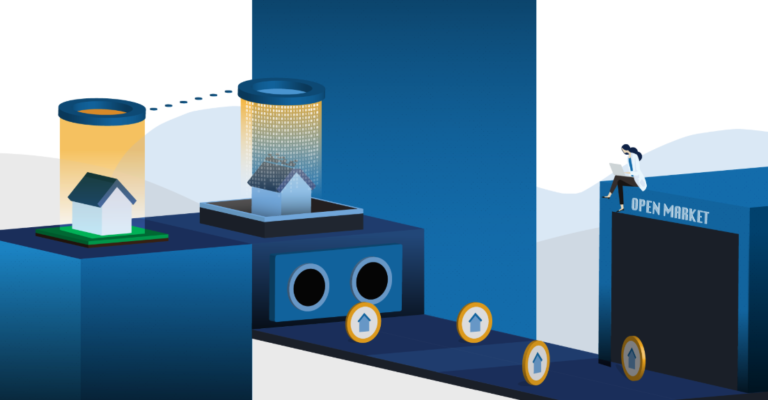
Real-world asset (RWA) tokenization maps tangible ownership to digital tokens on a blockchain. Assets are onboarded with legal structures, compliance, and custody interfaces. Issuance aligns with standards, governance, and settlement rules, while custody ensures asset and key segregation. Secondary markets…
 ByJohn A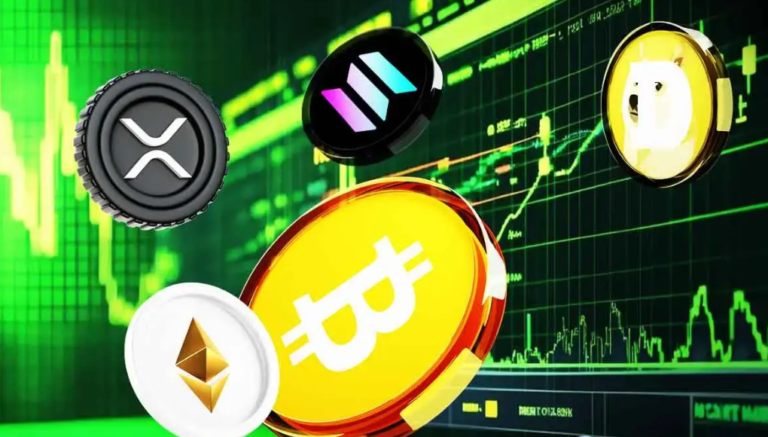
Institutional capital reshapes crypto markets by delivering deeper liquidity and tighter spreads during normal and stressed periods. Large, informed trades can accelerate price discovery while absorbing shocks that smaller traders cannot. The outcome hinges on disciplined risk controls, transparent reporting,…
ByJohn A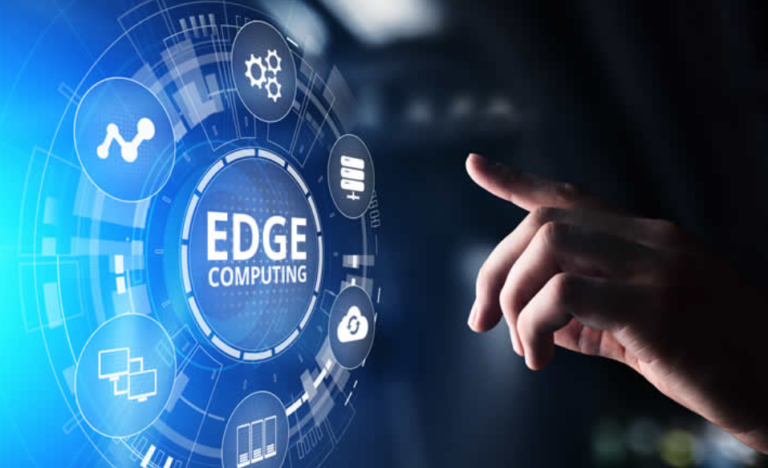
Edge computing moves compute and data processing closer to where data is produced. This proximity reduces latency and backhaul traffic while enabling local analytics and governance. By distributing microservices, systems can respond autonomously and endure network variances with resilience. The…
ByJohn A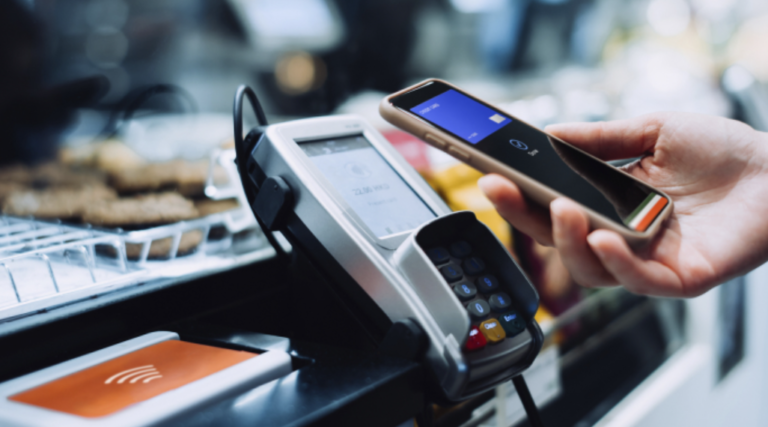
Digital wallets centralize credentials, keys, and metadata to enable authenticated transactions across devices and services. They rely on tokenization, encryption, and hardware-backed secure elements to protect payment data from end to end. The checkout flow remains seamless yet opaque to…
ByJohn A